


As a supplier of WPC Timber Tubes, I'm often asked about how our products resist pests other than termites. In this blog post, I'll delve into the scientific aspects of this resistance and explain the mechanisms that make WPC Timber Tubes a reliable choice for various applications.
Understanding WPC Timber Tubes
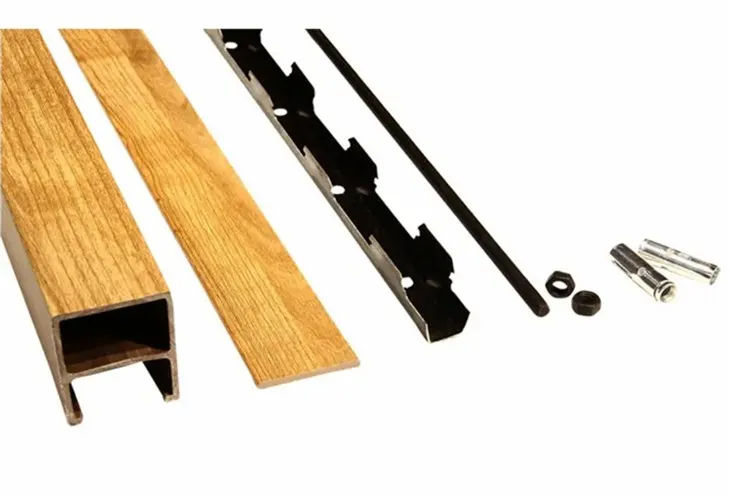
Before we discuss pest resistance, let's briefly understand what WPC Timber Tubes are. WPC, or Wood - Plastic Composite, is a material made by combining wood fibers or flour with thermoplastics. The resulting composite offers the natural look and feel of wood, along with the durability and low - maintenance properties of plastic. WPC Timber Tubes are extruded into tube shapes and are widely used in construction, furniture, and decorative applications.
Physical Barriers Against Pests
One of the primary ways WPC Timber Tubes resist pests is through their physical structure. The composite nature of WPC creates a dense and uniform material that is difficult for pests to penetrate. Unlike natural wood, which has pores and grain patterns that can serve as entry points for pests, WPC Timber Tubes have a smooth and consistent surface.
The plastic component in WPC acts as a protective layer. Plastics are generally non - porous and can prevent pests from burrowing or chewing through the material. For example, insects like beetles, which often target the soft inner layers of wood, find it challenging to break through the tough plastic matrix in WPC Timber Tubes.

Chemical Resistance
In addition to physical barriers, WPC Timber Tubes are often treated with chemicals that enhance their pest - resistance. These chemicals are carefully selected to be effective against a wide range of pests while remaining environmentally friendly.
Some common chemical additives include fungicides and insecticides. Fungicides prevent the growth of fungi, which can attract pests such as mites and wood - boring insects. By keeping the material free from fungal infestations, the risk of secondary pest problems is significantly reduced.
Insecticides used in WPC Timber Tubes are formulated to repel or kill pests on contact. These chemicals are bound within the composite structure, ensuring long - term protection. For instance, some insecticides work by disrupting the nervous systems of insects, making the tubes an inhospitable environment for pests.
Lack of Nutritional Value
Pests are attracted to natural wood because it provides a source of food. Wood contains cellulose, hemicellulose, and lignin, which can be broken down and digested by many types of insects. In contrast, WPC Timber Tubes have a different chemical composition.
The plastic component in WPC is not a suitable food source for pests. Moreover, the wood fibers in WPC are often treated and combined with the plastic in such a way that their nutritional value is significantly reduced. Insects that rely on wood for sustenance will not find WPC Timber Tubes appealing, as they cannot extract the necessary nutrients from the material.
Environmental Factors
The environmental conditions in which WPC Timber Tubes are used also play a role in their pest resistance. WPC is more resistant to moisture than natural wood. Moisture is a key factor that attracts many pests, as it creates a suitable habitat for them to breed and thrive.
Since WPC Timber Tubes do not absorb water easily, they are less likely to develop conditions that are favorable for pests. For example, damp wood can attract woodlice, millipedes, and other moisture - loving pests. By maintaining a dry environment, WPC Timber Tubes reduce the risk of infestations.
Applications and Pest Resistance
WPC Timber Tubes are used in a variety of applications, and their pest - resistant properties make them suitable for both indoor and outdoor use.
Indoor Applications
In indoor settings, such as furniture and interior decoration, WPC Timber Tubes can prevent infestations from pests like carpet beetles and clothes moths. These pests can cause damage to wooden furniture by feeding on the wood fibers. However, the pest - resistant properties of WPC Timber Tubes ensure that they remain intact and free from damage.
Outdoor Applications
Outdoor applications, such as in Composite WPC Fence and architectural structures, expose the tubes to a wider range of pests. WPC Timber Tubes can resist damage from pests like ants, which may try to build nests in wooden structures. Their resistance to moisture also makes them ideal for use in areas with high humidity, where natural wood would quickly deteriorate due to pest infestations and fungal growth.
Comparison with Other Materials
When compared to other materials, such as natural wood and traditional plastics, WPC Timber Tubes offer superior pest resistance.
Natural wood is highly susceptible to pest infestations. It requires regular treatments with pesticides to maintain its integrity, and even then, it may still be at risk. Traditional plastics, on the other hand, may not have the aesthetic appeal of wood. WPC Timber Tubes combine the best of both worlds, providing the look of wood with enhanced pest - resistant properties.
Long - Term Performance
The pest - resistant properties of WPC Timber Tubes are designed to last for a long time. The chemical treatments and physical structure of the material are engineered to withstand the test of time.
Over the years, WPC Timber Tubes will continue to resist pests without the need for frequent re - treatments. This long - term performance makes them a cost - effective solution for various applications.
Conclusion
In conclusion, WPC Timber Tubes resist pests other than termites through a combination of physical barriers, chemical resistance, lack of nutritional value, and environmental factors. Their ability to withstand pest infestations makes them a reliable choice for both indoor and outdoor applications.
If you're interested in using WPC Ceiling Panel or WPC Timber Tubes for your next project, I encourage you to reach out to us. We can provide you with more information about our products and help you make an informed decision. Whether you're a contractor, architect, or a DIY enthusiast, our WPC products offer a high - quality and pest - resistant solution for your needs. Contact us today to start a discussion about your project requirements and explore how our WPC Timber Tubes can meet your expectations.
References
- "Wood - Plastic Composites: Materials, Processing, and Applications" by Anil N. Netravali and Lawrence A. Anagnost.
- "Pest Management in Wood - Based Products" by the Forest Products Society.
- Research papers on the performance and durability of WPC materials from academic journals in the field of materials science and construction.


