


Hey there! I'm a supplier of PVC wall panels, and I often get asked one burning question (pun intended): Are PVC wall panels fire-resistant? Today, I'm gonna dive deep into this topic and give you the lowdown.
First off, let's understand what PVC is. PVC stands for polyvinyl chloride, which is a type of plastic. It's widely used in various industries because it's durable, cost - effective, and easy to work with. You can find PVC in everything from pipes to clothing, and of course, wall and ceiling panels.

Now, back to the fire - resistance thing. When we talk about fire - resistance, we're basically looking at how well a material can withstand fire and prevent it from spreading. There's a common misconception that all plastics are highly flammable and will go up in flames at the slightest spark. While it's true that some plastics are indeed very flammable, PVC is a bit different.
PVC has some inherent properties that give it a certain level of fire - resistance. One of the key factors is the presence of chlorine in its chemical structure. Chlorine is a halogen, and halogens are known for their ability to inhibit combustion. When PVC is exposed to fire, the chlorine in it can release hydrogen chloride gas. This gas acts as a fire suppressant by diluting the oxygen around the fire and interfering with the chemical reactions that sustain the combustion process.
However, it's important to note that PVC is not completely fireproof. If you expose PVC wall panels to a high - intensity, long - lasting fire, they will eventually burn. The fire behavior of PVC depends on several factors, such as the thickness of the panels, the additives used during manufacturing, and the ventilation conditions in the environment.
Let's talk about additives. Manufacturers can add various fire - retardant additives to PVC to enhance its fire - resistance. These additives work in different ways. Some of them release water vapor when heated, which cools down the material and slows down the combustion. Others form a char layer on the surface of the PVC, which acts as a barrier between the fire and the underlying material.
When it comes to building codes and regulations, different regions have different requirements for fire - resistance in building materials. In many places, PVC wall panels are required to meet certain fire - safety standards. For example, they might need to pass tests like the ASTM E84, which measures the surface burning characteristics of building materials. If a PVC wall panel passes this test, it means it has a low flame spread rating, which is a good indicator of its fire - resistance.
Now, let's compare PVC wall panels with other types of wall coverings in terms of fire - resistance. Traditional drywall, for instance, is made of gypsum, which is a naturally fire - resistant material. Gypsum contains water in its crystal structure, and when it's exposed to fire, the water is released as steam, which cools down the material and helps prevent the spread of fire. However, drywall can be heavy and more difficult to install compared to PVC wall panels.
On the other hand, wood wall panels are highly flammable. Wood is a natural fuel source, and once it catches fire, it can burn very quickly and spread the flames throughout a building. PVC wall panels, with their fire - retardant properties, can be a safer alternative in many situations.
Another advantage of PVC wall panels is that they are easy to clean and maintain. In case of a small fire or a fire - related incident, you can simply wipe down the panels to remove any soot or debris. This is not always possible with other wall coverings, especially porous materials like wood or fabric.
If you're considering using PVC wall panels in your project, it's crucial to choose high - quality panels from a reputable supplier. At our company, we take fire - safety very seriously. We use the latest manufacturing techniques and high - quality fire - retardant additives to ensure that our PVC Wall Panel meet or exceed the relevant fire - safety standards.
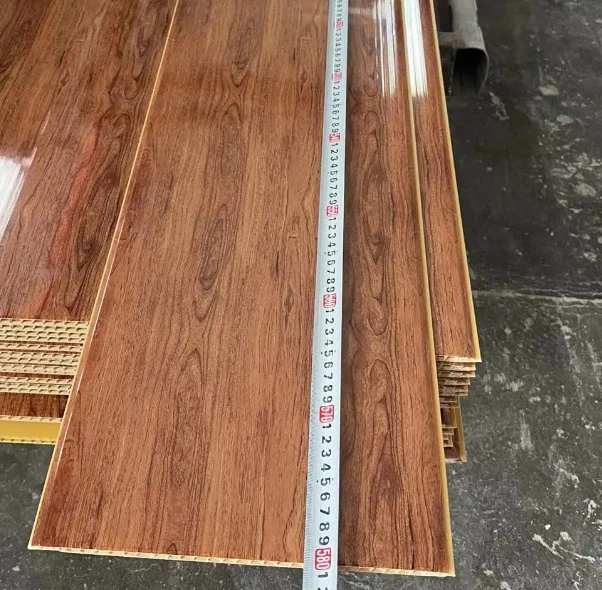
Our PVC wall panels are not only fire - resistant but also aesthetically pleasing. They come in a wide range of colors, patterns, and textures, so you can find the perfect look for your space. Whether you're renovating a commercial building or a residential property, our panels can add a touch of style while providing the necessary fire - safety features.
In addition to wall panels, we also offer PVC Ceiling Panel. Just like our wall panels, our ceiling panels are designed with fire - resistance in mind. They are lightweight, easy to install, and can transform the look of any room.
So, if you're in the market for high - quality, fire - resistant PVC wall and ceiling panels, don't hesitate to get in touch with us. We're here to answer all your questions and help you find the right products for your project. Whether you're an architect, a contractor, or a homeowner, we can work with you to meet your specific needs.
In conclusion, while PVC wall panels are not completely fireproof, they do have a certain level of fire - resistance thanks to their chemical composition and the use of fire - retardant additives. When properly manufactured and installed, they can be a safe and stylish choice for your building projects.
If you have any more questions about the fire - resistance of PVC wall panels or want to learn more about our products, feel free to reach out. We're always happy to chat and help you make an informed decision.
References
- ASTM International. (2023). ASTM E84 - Standard Test Method for Surface Burning Characteristics of Building Materials.
- International Building Code. (2022). Fire - Resistance Requirements for Building Materials.


