


Hey there! As a supplier of WPC Timber Tubes, I often get asked if these products are eco - friendly. Well, let's dig into this topic and find out.
First off, let's understand what WPC Timber Tubes are. WPC stands for Wood - Plastic Composite. These tubes are made by combining wood fibers or flour with thermoplastics. The result is a material that has the look and feel of natural wood but comes with a bunch of other benefits.
One of the major factors that contribute to the eco - friendliness of WPC Timber Tubes is the use of recycled materials. A significant portion of the plastic used in WPC can be recycled plastic waste. Instead of ending up in landfills or polluting our oceans, this plastic gets a new lease on life in the form of these tubes. For example, high - density polyethylene (HDPE) and polypropylene (PP), which are commonly used in WPC production, can be sourced from recycled grocery bags, plastic containers, and other plastic waste products. This reduces the demand for virgin plastic production, which is an energy - intensive process that has a large carbon footprint.
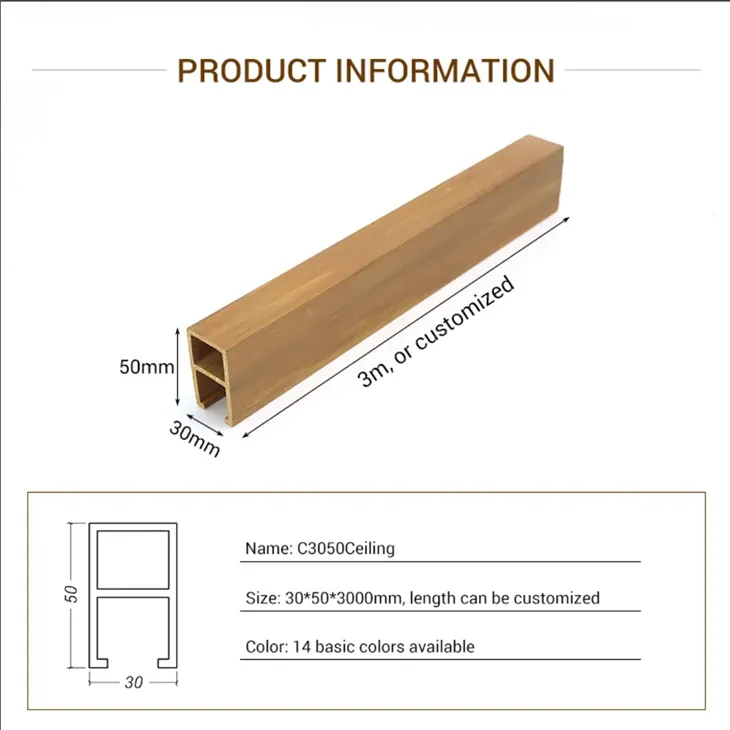
The wood component in WPC Timber Tubes also plays an important role. In many cases, the wood fibers or flour used are by - products of the wood processing industry. Sawdust, wood chips, and other wood waste that would otherwise be discarded are used to make these tubes. By utilizing these wood waste materials, we are reducing the amount of waste that goes to landfills and also minimizing the need for excessive logging. This helps in conserving our forests, which are crucial for maintaining the ecological balance of our planet.
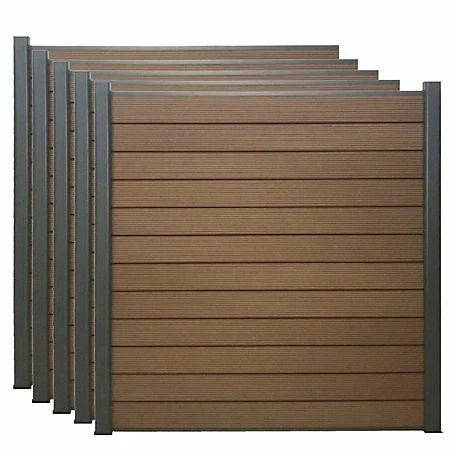
Another aspect to consider is the durability of WPC Timber Tubes. Unlike natural wood, WPC is resistant to rot, decay, and insect damage. This means that structures made from WPC Timber Tubes have a longer lifespan. For instance, a fence made from Composite WPC Fence or a ceiling made from WPC Ceiling Panel will last much longer than their natural wood counterparts. When a product lasts longer, we don't need to replace it as often. This reduces the overall consumption of resources over time. We don't have to cut down more trees or produce more plastic to replace damaged or worn - out products frequently.
In addition, WPC Timber Tubes require less maintenance compared to natural wood. Natural wood often needs to be painted, stained, or treated regularly to protect it from the elements. These treatments usually involve the use of chemicals that can be harmful to the environment. On the other hand, WPC only needs occasional cleaning with mild soap and water. This not only saves time and effort but also reduces the use of potentially harmful chemicals.
However, it's not all rosy. There are some aspects of WPC Timber Tubes that might raise concerns about their eco - friendliness. The production process of WPC does require energy, mainly for melting the plastic and combining it with the wood fibers. Although the energy consumption is generally lower than that of producing pure plastic products, it still has an environmental impact. Also, at the end of their life cycle, WPC products can be a bit tricky to recycle. While they are made of a combination of wood and plastic, separating these two components for recycling can be a complex and costly process.
But overall, when we weigh the pros and cons, I believe that WPC Timber Tubes are a relatively eco - friendly option. They make good use of recycled materials, help in reducing waste, and have a long lifespan. If you're in the market for a sustainable building material, WPC Timber Tubes are definitely worth considering.
If you're interested in learning more about our WPC Timber Tubes or are thinking about making a purchase, I'd love to have a chat with you. We can discuss your specific needs, the different types of tubes we offer, and how they can fit into your project. Just reach out, and we can start the conversation about finding the best solution for you.
References
- ASTM International. (2023). Standard Terminology for Wood - Plastic Composites. ASTM D7031 - 17.
- European Composites Industry Association. (2022). Environmental Impact of Composite Materials. ECI Report.
- U.S. Environmental Protection Agency. (2021). Waste Reduction and Recycling. EPA Publication.


