


Hey there! As a supplier of WPC Timber Tubes, I often get asked a bunch of questions about these nifty products. One question that pops up quite a bit is, "Are WPC Timber Tubes resistant to chemicals?" Well, let's dive right into it and find out!
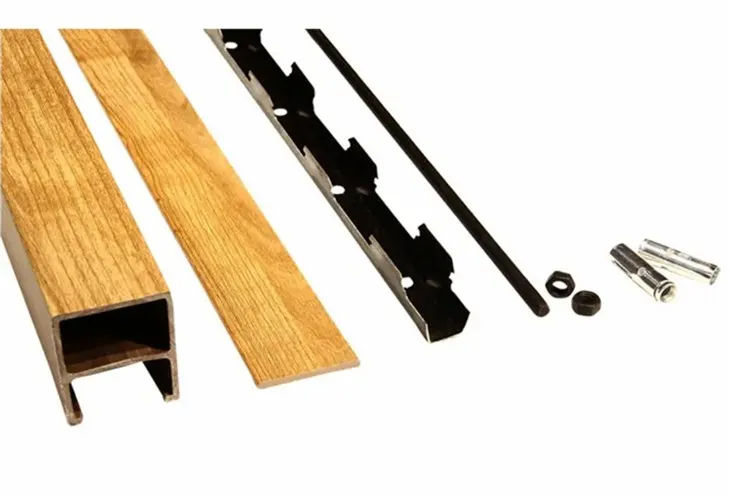
First off, let's quickly understand what WPC Timber Tubes are. WPC stands for Wood - Plastic Composite. These tubes are made by combining wood fibers or flour with thermoplastics and other additives. The result is a material that combines the best of both worlds - the natural look and feel of wood and the durability and versatility of plastic. You can check out more about them here.
Now, onto the chemical resistance part. Chemical resistance is super important, especially if you're using these tubes in environments where they might come into contact with various chemicals. For example, in industrial settings, around swimming pools, or in agricultural areas where pesticides and fertilizers are used.
How WPC Timber Tubes Hold Up Against Different Chemicals
Acids
Acids can be pretty harsh on materials. But WPC Timber Tubes generally have a decent level of resistance to mild acids. Mild acids, like those found in some cleaning solutions, usually won't cause any significant damage. However, strong acids are a different story. Concentrated sulfuric acid or hydrochloric acid can eat away at the surface of the WPC tubes over time. The thermoplastics in the composite can start to break down, and the wood fibers can be damaged, leading to discoloration, loss of strength, and eventual degradation of the tube.
Bases
Bases, or alkalis, also vary in their effect on WPC Timber Tubes. Mild bases, such as those in common household detergents, are usually not a problem. The tubes can withstand normal exposure without much issue. But strong bases, like sodium hydroxide, can be more aggressive. They can react with the wood fibers and plastic components in the composite, causing swelling, weakening the structure, and potentially leading to cracks and breakage.
Solvents
Solvents are another group of chemicals to consider. Organic solvents, like acetone or toluene, can have a negative impact on WPC Timber Tubes. These solvents can dissolve the plastic component in the composite, causing the tube to lose its shape, become brittle, and eventually fail. On the other hand, water - based solvents are generally less harmful. They might cause some minor swelling if the exposure is prolonged, but the effects are usually reversible once the tube dries out.
Salts
Salts are commonly found in many environments, especially near the ocean or in areas where de - icing salts are used on roads. WPC Timber Tubes have a good level of resistance to salts. The thermoplastics in the composite act as a barrier, preventing the salts from penetrating deep into the material. However, if the tubes are constantly exposed to high - salt concentrations over a long period, there might be some surface corrosion and discoloration.
Factors Affecting Chemical Resistance
Composition
The exact composition of the WPC Timber Tubes plays a huge role in their chemical resistance. Tubes with a higher percentage of plastic tend to be more resistant to chemicals because plastics are generally more inert. On the other hand, tubes with a higher proportion of wood fibers might be more vulnerable, as wood can be more easily affected by chemicals.
Manufacturing Process
The way the WPC Timber Tubes are manufactured also matters. A well - made tube with proper mixing of the wood and plastic components, and a good surface finish, will be more resistant to chemicals. For example, tubes that are extruded under the right conditions will have a more uniform structure, which helps in preventing chemical penetration.
Exposure Time and Concentration
The longer the WPC Timber Tubes are exposed to chemicals and the higher the concentration of the chemicals, the more damage is likely to occur. Short - term exposure to a low - concentration chemical might not cause any visible effects, but long - term exposure to a high - concentration chemical can lead to significant degradation.
Real - World Applications and Chemical Resistance
In real - world scenarios, WPC Timber Tubes are used in a variety of applications. For instance, they can be used as railing posts in a backyard fence. If the fence is near a pool, it might be exposed to chlorine, which is a mild oxidizing agent. WPC tubes can handle normal levels of chlorine exposure without much problem. You can learn more about how they can be used in fences here.
Another application is in interior design, where WPC Timber Tubes can be used as decorative elements. In this case, they are likely to be exposed to normal household chemicals, like cleaning sprays and mild solvents. As long as the exposure is minimal, the tubes will maintain their appearance and integrity.
Maintaining Chemical Resistance
To keep your WPC Timber Tubes in good shape and maintain their chemical resistance, there are a few things you can do.
Regular Cleaning
Regularly clean the tubes with mild soap and water. This helps to remove any dirt, debris, and chemical residues that might have accumulated on the surface. Avoid using harsh chemicals or abrasive cleaners, as they can damage the tubes.
Protective Coatings
Applying a protective coating can enhance the chemical resistance of the WPC Timber Tubes. There are special coatings available in the market that can form a barrier between the tube and the chemicals in the environment. These coatings can also improve the tube's resistance to UV rays and moisture.
Storage
Proper storage is also important. Store the tubes in a dry, well - ventilated area away from direct contact with chemicals. If the tubes are going to be stored for a long time, cover them to protect them from dust and potential chemical spills.

Why Chemical Resistance Matters for Your Projects
If you're planning to use WPC Timber Tubes in your project, understanding their chemical resistance is crucial. For example, if you're building a structure in an industrial area where there is a risk of chemical spills, you need to make sure the tubes can withstand the chemicals present in that environment. Otherwise, you might end up with a structure that deteriorates quickly, leading to costly repairs or replacements.
In the case of outdoor projects, like a garden fence or a deck, considering chemical resistance can help you choose the right location and maintenance routine. You'll know which chemicals to avoid using around the tubes and how to protect them from potential damage.
Conclusion
So, are WPC Timber Tubes resistant to chemicals? The answer is yes and no. They have a certain level of resistance to mild chemicals, but they can be damaged by strong chemicals. The key is to understand the specific chemicals they'll be exposed to in your application and take appropriate measures to protect them.
If you're interested in using WPC Timber Tubes for your project, whether it's for a Composite WPC Fence or as part of a WPC Ceiling Panel installation, I'd love to chat with you. I can provide more detailed information about the chemical resistance of our products and help you choose the right type of WPC Timber Tubes for your needs. Just reach out, and we can start discussing your project requirements.
References
- ASTM International. "Standard Test Methods for Evaluating the Performance of Wood - Plastic Composites and Wood - Treated Products." ASTM D7031.
- Wood - Plastic Composites Handbook. Edited by Leszek A. Pszczola. CRC Press, 2012.


