


Hey there! As a supplier of WPC Timber Tubes, I often get asked about what these tubes are made of. So, in this blog post, I'm gonna break down the chemical composition of WPC Timber Tubes for you.
First off, let's understand what WPC stands for. It's Wood - Plastic Composite. As the name suggests, WPC Timber Tubes are made by combining wood fibers and plastic. This combination results in a material that has the best of both worlds - the natural look and feel of wood and the durability and low - maintenance properties of plastic.
Wood Fibers
The wood fibers used in WPC Timber Tubes are a crucial component. Usually, these fibers come from various types of wood, such as pine, oak, or recycled wood sources. Wood fibers give the WPC its characteristic wood - like appearance and texture. They also contribute to the material's strength to some extent.
In the manufacturing process, the wood fibers are finely ground into a powder or small particles. This makes it easier to mix them with the plastic component. The amount of wood fibers in WPC Timber Tubes can vary, but it typically ranges from 40% to 60% by weight. The higher the wood fiber content, the more natural the WPC will look and feel, but it may also require a bit more care compared to those with a lower wood fiber content.
Wood fibers have a porous structure, which can absorb moisture. However, in WPC Timber Tubes, the plastic matrix helps to reduce this moisture absorption. Still, it's important to note that excessive exposure to water can cause some swelling or degradation over time, especially if the WPC is not properly sealed or maintained.

Plastic Component
The plastic used in WPC Timber Tubes is another key part of the equation. The most common types of plastic used are polyethylene (PE), polypropylene (PP), and polyvinyl chloride (PVC). Each type of plastic has its own set of properties that affect the overall performance of the WPC.
Polyethylene (PE)
PE is a widely used plastic in WPC manufacturing. It's known for its flexibility, toughness, and good chemical resistance. PE - based WPC Timber Tubes are often more impact - resistant and can withstand harsh environmental conditions. They also have a relatively low melting point, which makes them easier to process during manufacturing.
Polypropylene (PP)
PP is another popular choice. It has high stiffness and a relatively high melting point. WPC Timber Tubes made with PP tend to be more rigid and dimensionally stable. They are less likely to warp or deform under load, making them suitable for applications where structural integrity is important.
Polyvinyl Chloride (PVC)
PVC is known for its excellent weather resistance and fire - retardant properties. WPC Timber Tubes made with PVC are often used in outdoor applications where protection against the elements is crucial. PVC also has good chemical resistance, which means it can resist damage from chemicals and pollutants.
The plastic component in WPC Timber Tubes usually makes up around 30% to 50% by weight. It acts as a binder, holding the wood fibers together and providing a protective barrier against moisture, insects, and decay.
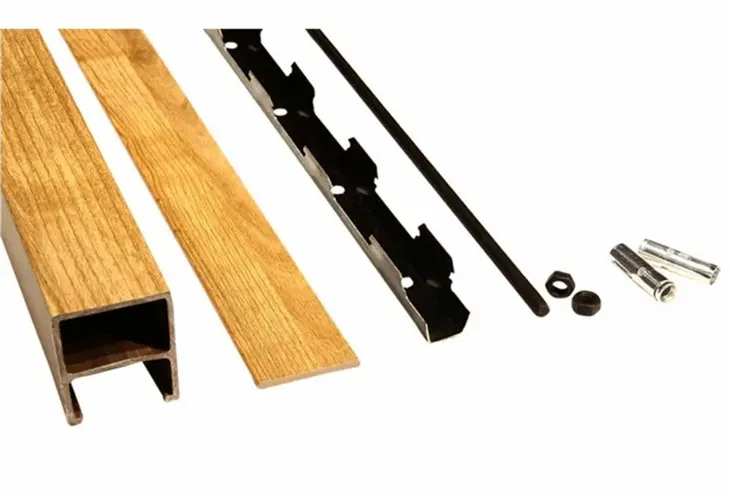
Additives
In addition to wood fibers and plastic, WPC Timber Tubes also contain various additives. These additives are used to enhance the performance and properties of the WPC.
Coupling Agents
Coupling agents are used to improve the adhesion between the wood fibers and the plastic. Since wood and plastic have different chemical properties, they don't naturally bond well together. Coupling agents help to create a stronger bond, which improves the overall strength and durability of the WPC. They typically make up a small percentage (around 1% - 3%) of the total composition.
UV Stabilizers
UV stabilizers are added to protect the WPC from the harmful effects of ultraviolet (UV) radiation. Exposure to sunlight can cause the WPC to fade, become brittle, and lose its mechanical properties over time. UV stabilizers absorb or reflect UV rays, preventing them from damaging the material. This is especially important for outdoor applications, where the WPC is constantly exposed to sunlight.
Pigments
Pigments are used to give the WPC Timber Tubes their color. They can be used to create a wide range of colors, from natural wood tones to more vibrant and custom colors. Pigments are added during the manufacturing process to ensure a uniform color throughout the material.
Lubricants
Lubricants are used to improve the flow of the material during the extrusion process. They reduce friction between the WPC mixture and the manufacturing equipment, making it easier to form the tubes into the desired shape. Lubricants also help to prevent the material from sticking to the equipment, which can improve the quality and consistency of the final product.
Benefits of the Chemical Composition
The unique chemical composition of WPC Timber Tubes offers several benefits. Firstly, as mentioned earlier, it combines the beauty of wood with the durability of plastic. This means that WPC Timber Tubes can be used in a variety of applications, both indoors and outdoors, without the need for frequent maintenance like traditional wood products.
Secondly, the plastic component provides excellent resistance to moisture, insects, and decay. This makes WPC Timber Tubes a great choice for areas with high humidity or where pests are a problem.
Thirdly, the use of additives like UV stabilizers and coupling agents enhances the performance and longevity of the WPC. The UV stabilizers protect the material from sunlight damage, while the coupling agents improve the bond between the wood fibers and the plastic, resulting in a stronger and more durable product.
Applications of WPC Timber Tubes
WPC Timber Tubes have a wide range of applications. They can be used for WPC Timber Tubes in construction, such as railing systems, pergolas, and decking. Their strength and durability make them suitable for load - bearing applications, while their natural appearance adds an aesthetic touch to any project.
They are also commonly used in the manufacturing of Composite WPC Fence. The WPC's resistance to moisture and pests makes it an ideal material for fencing, as it can withstand the elements without rotting or being damaged by insects.
Another popular application is WPC Ceiling Panel. WPC Timber Tubes can be used to create stylish and durable ceiling panels that are easy to install and maintain. They offer a cost - effective alternative to traditional ceiling materials like wood or metal.
Contact for Purchase
If you're interested in purchasing WPC Timber Tubes for your project, whether it's for a small DIY job or a large - scale construction project, don't hesitate to get in touch. We offer a wide range of WPC Timber Tubes in different sizes, colors, and specifications to meet your specific needs. Just reach out to us, and we'll be happy to discuss your requirements and provide you with a quote.
References
- Wood - Plastic Composites: From Synthesis to Applications. Edited by A. K. Mohanty, M. Misra, and L. T. Drzal.
- Handbook of Wood Chemistry and Wood Composites. Edited by R. Rowell, J. Han, and X. Cai.


