


What is the load - bearing capacity of WPC Timber Tubes?
Hey there! I'm a supplier of WPC Timber Tubes, and today I wanna chat about one of the most important aspects of these products: their load - bearing capacity.
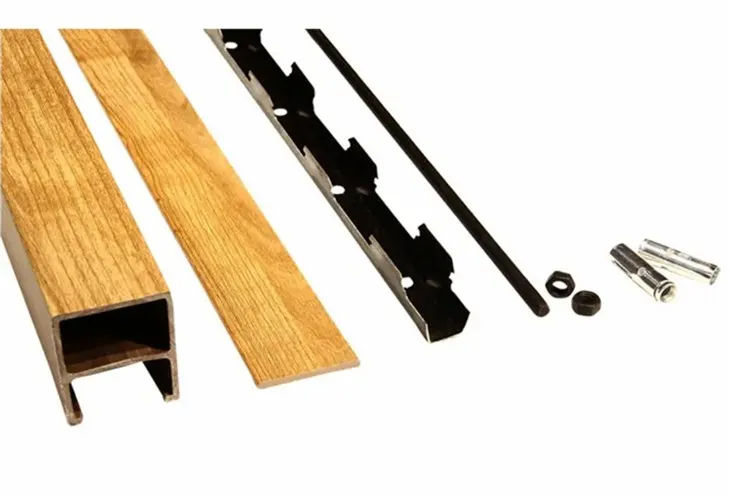
First off, let's understand what WPC Timber Tubes are. WPC stands for Wood - Plastic Composite. These tubes are made by combining wood fibers or flour with thermoplastics, along with some additives. This unique combination gives them some great properties. They're more durable than traditional wood, resistant to rot, insects, and moisture. And they look pretty much like real wood, which is a big plus for a lot of applications.
Now, onto the load - bearing capacity. The load - bearing capacity of WPC Timber Tubes depends on several factors. One of the main factors is the composition of the composite. The ratio of wood to plastic can have a significant impact. Generally, a higher percentage of plastic can increase the strength and load - bearing ability of the tubes. For example, if the plastic content is around 40 - 50%, the tubes tend to be more rigid and can handle more weight compared to those with a lower plastic percentage.
The wall thickness of the tubes also plays a crucial role. Thicker walls mean more material to support the load. A tube with a wall thickness of 5mm will have a different load - bearing capacity compared to one with a 3mm wall thickness. The thicker - walled tube can usually withstand greater pressure and weight.
The size of the tubes matters too. Larger diameter tubes can distribute the load over a wider area, which can sometimes increase their overall load - bearing capacity. But it's not just about the diameter; the length of the tube also affects how it behaves under load. Longer tubes may be more prone to bending or buckling, especially if the load is concentrated in one area.
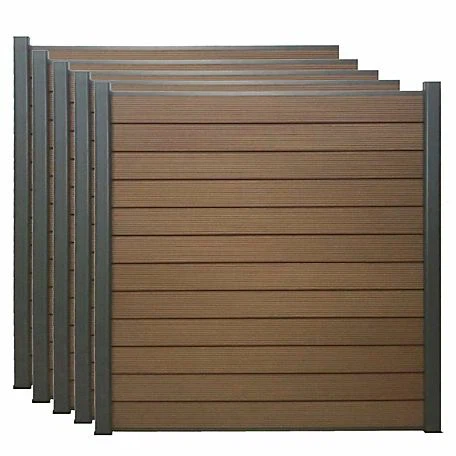
In different applications, the required load - bearing capacity varies. For instance, if you're using WPC Timber Tubes for a Composite WPC Fence, the load they need to bear is mainly the weight of the fence panels and some wind pressure. In this case, tubes with a relatively lower load - bearing capacity might be sufficient. However, if you're using them for a structural support in a small building or a pergola, you'll need tubes with a much higher load - bearing capacity.
Let's talk about some real - world testing. To determine the load - bearing capacity of our WPC Timber Tubes, we conduct a series of tests. We use hydraulic presses to apply a gradually increasing load to the tubes until they start to fail. We measure the maximum load the tubes can withstand before any significant deformation or breakage occurs. This gives us a clear idea of their load - bearing limits.
During these tests, we also observe how the tubes behave under different types of loads. There are two main types of loads: static and dynamic. Static loads are constant, like the weight of a structure that doesn't change over time. Dynamic loads, on the other hand, are variable, such as wind gusts or the impact from moving objects. Our tubes are designed to handle both types of loads to a certain extent.
When it comes to comparing WPC Timber Tubes with other materials, they have some advantages. For example, compared to traditional wooden tubes, WPC Timber Tubes have a more consistent load - bearing capacity. Wood can have natural defects like knots or cracks, which can weaken its structure and make its load - bearing capacity less predictable. In contrast, WPC Timber Tubes are manufactured under controlled conditions, so their properties are more uniform.
Compared to metal tubes, WPC Timber Tubes are lighter. This can be an advantage in some applications where weight is a concern, such as in portable structures. However, metal tubes generally have a higher load - bearing capacity per unit of cross - sectional area. But the corrosion resistance of WPC Timber Tubes makes them a better choice in outdoor or humid environments where metal would rust.
If you're thinking about using WPC Timber Tubes for your project, it's important to calculate the load they'll need to bear accurately. You should consider all the factors I mentioned earlier, like the application, the type of load, and the size and wall thickness of the tubes.
We, as a supplier, can provide you with detailed information about the load - bearing capacity of our different types of WPC Timber Tubes. We can also offer advice on which tubes are best suited for your specific project. Whether you're a DIY enthusiast building a small garden structure or a professional contractor working on a large - scale project, we've got you covered.
Another application where WPC Timber Tubes are commonly used is in WPC Ceiling Panel installations. In this case, the tubes need to support the weight of the ceiling panels and any additional fixtures. The load - bearing requirements are usually not as high as in some structural applications, but it's still important to choose the right tubes.
We've seen a growing demand for WPC Timber Tubes in recent years, and that's because of their many benefits. They're eco - friendly, as they use recycled materials in the manufacturing process. They're also easy to install, which can save you time and money on labor costs. And with their good load - bearing capacity, they can be used in a wide range of projects.
If you're interested in our WPC Timber Tubes, don't hesitate to get in touch. We can discuss your project requirements in detail, provide you with samples, and give you a competitive quote. Whether you need a small quantity for a home project or a large order for a commercial job, we're here to help.
In conclusion, the load - bearing capacity of WPC Timber Tubes is influenced by multiple factors, including composition, wall thickness, size, and the type of load. By understanding these factors and choosing the right tubes for your application, you can ensure the success of your project. So, if you have any questions or need more information, just reach out to us. We're looking forward to working with you on your next project.
References
- Industry reports on wood - plastic composites
- Internal testing data from our manufacturing facility
- Research papers on the mechanical properties of composite materials


