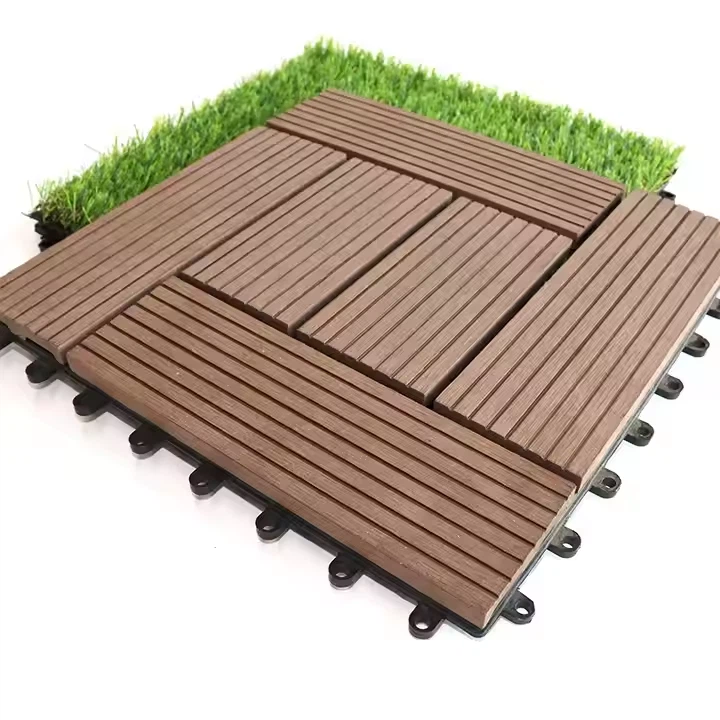
In recent years, the construction and interior decoration industries have witnessed a significant shift towards sustainable and eco - friendly materials. As a supplier of bamboo charcoal panels, I've closely observed the market trends and dynamics surrounding these unique products. In this blog, I'll delve into the current market trends of bamboo charcoal panels, exploring the factors driving their popularity, the emerging applications, and the challenges that lie ahead.


The Growing Demand for Sustainable Building Materials
One of the primary drivers of the market trend for bamboo charcoal panels is the increasing global awareness of environmental issues. Consumers are becoming more conscious of the impact of their purchasing decisions on the planet and are actively seeking out sustainable alternatives. Bamboo charcoal panels fit the bill perfectly as they are made from bamboo, a rapidly renewable resource. Bamboo can grow up to several feet in a single day and reaches maturity in just 3 - 5 years, compared to traditional hardwoods that may take decades or even centuries to grow.
Moreover, the production process of bamboo charcoal panels is relatively eco - friendly. The bamboo is carbonized at high temperatures, which not only enhances its durability but also retains its natural antibacterial and deodorizing properties. This makes bamboo charcoal panels an ideal choice for those looking to reduce their carbon footprint while creating a healthy living environment.
Health and Wellness Benefits
Another significant factor contributing to the popularity of bamboo charcoal panels is their health and wellness benefits. Bamboo charcoal has natural adsorption properties, which means it can effectively absorb harmful substances such as formaldehyde, benzene, and other volatile organic compounds (VOCs) commonly found in building materials. These substances can cause a range of health problems, including respiratory issues, allergies, and even cancer. By using bamboo charcoal panels in interior decoration, consumers can significantly improve the indoor air quality of their homes and workplaces.
In addition to their adsorption properties, bamboo charcoal panels also have a regulating effect on humidity. They can absorb excess moisture in the air during humid periods and release it when the air is dry, creating a more comfortable and stable indoor climate. This is particularly beneficial in areas with high humidity levels, where mold and mildew growth can be a common problem.
Aesthetic Appeal and Versatility
Bamboo charcoal panels offer a unique aesthetic appeal that combines the natural beauty of bamboo with a modern and sophisticated look. The panels come in a variety of colors and textures, ranging from light - colored, natural - looking finishes to darker, more dramatic tones. This allows designers and homeowners to create a wide range of interior styles, from rustic and traditional to contemporary and minimalist.
In terms of versatility, bamboo charcoal panels can be used in a variety of applications, both in residential and commercial settings. They are commonly used for wall cladding, ceiling panels, furniture, and even flooring. For example, Bamboo Charcoal Fiber Board is a popular choice for wall and ceiling applications due to its lightweight and easy - to - install nature. It can also be used to create partition walls, adding a touch of elegance and functionality to any space.
The Customized Bamboo Charcoal Wood Metal Plate offers even more design possibilities. With the ability to combine bamboo charcoal with wood and metal elements, designers can create unique and personalized panels that meet the specific requirements of their projects. These customized panels can be used to create statement pieces in commercial spaces, such as hotels, restaurants, and offices.
Bamboo Charcoal Veneer Panel is another option that provides a cost - effective way to add the beauty of bamboo charcoal to existing surfaces. It can be applied to cabinets, doors, and other furniture pieces, giving them a fresh and updated look.
Market Expansion and Global Reach
The market for bamboo charcoal panels is not limited to a specific region but is expanding globally. In Asia, where bamboo is abundant and has a long history of use in construction and handicrafts, the demand for bamboo charcoal panels has been steadily increasing. Countries like China, Japan, and South Korea are leading the way in the production and consumption of these panels, with a growing number of manufacturers and suppliers entering the market.
In recent years, the market has also been gaining traction in Europe and North America. The increasing popularity of sustainable and eco - friendly building materials in these regions has created a favorable environment for the growth of the bamboo charcoal panel market. Consumers in these areas are willing to pay a premium for products that offer both environmental and health benefits, making bamboo charcoal panels an attractive option.
Challenges and Opportunities
Despite the positive market trends, the bamboo charcoal panel industry also faces some challenges. One of the main challenges is the lack of standardized quality control. As the market grows, there has been an influx of low - quality products, which can damage the reputation of the industry as a whole. To address this issue, it is essential for manufacturers and suppliers to adhere to strict quality standards and certifications.
Another challenge is the relatively high cost of bamboo charcoal panels compared to traditional building materials. While the long - term benefits of using these panels, such as improved indoor air quality and reduced maintenance costs, can offset the initial investment, the upfront cost can still be a deterrent for some consumers. However, as the technology improves and economies of scale are achieved, the cost of bamboo charcoal panels is expected to decrease in the future.
On the other hand, these challenges also present opportunities for innovation and growth. Manufacturers can invest in research and development to improve the production process and reduce costs. They can also focus on developing new products and applications to meet the changing needs of the market. For example, the development of more fire - resistant and waterproof bamboo charcoal panels could open up new markets in areas with strict building codes.
Conclusion
In conclusion, the market trend of bamboo charcoal panels is on an upward trajectory, driven by the growing demand for sustainable building materials, health and wellness benefits, aesthetic appeal, and global market expansion. As a supplier of bamboo charcoal panels, I'm excited to be part of this growing industry and look forward to seeing the continued growth and innovation in the coming years.
If you're interested in learning more about our bamboo charcoal panels or would like to discuss a potential project, I encourage you to reach out for a procurement negotiation. We are committed to providing high - quality products and excellent customer service to meet your specific needs.
References
- "Sustainable Building Materials: An Overview" by John Smith, Green Building Journal
- "Health Effects of Indoor Air Pollution" by Dr. Emily Johnson, Environmental Health Magazine
- "The Properties and Applications of Bamboo Charcoal" by Dr. David Lee, Journal of Materials Science and Technology