


Sound absorption is a crucial factor in many architectural and interior design projects. It can significantly impact the comfort and functionality of a space, reducing noise pollution and enhancing the overall acoustic environment. As a PVC Wall Panel supplier, I often receive inquiries about the sound absorption capacity of our products. In this blog post, I will delve into the topic, exploring what sound absorption is, how it is measured, and the factors that influence the sound absorption capacity of PVC wall panels.
Understanding Sound Absorption
Sound absorption refers to the process by which sound energy is converted into heat energy when it strikes a material. When sound waves hit a surface, some of the energy is reflected back into the room, some is transmitted through the material, and some is absorbed. The amount of sound absorbed by a material is determined by its sound absorption coefficient, which ranges from 0 to 1. A coefficient of 0 means that the material reflects all the sound, while a coefficient of 1 means that the material absorbs all the sound.
Measuring Sound Absorption
The sound absorption coefficient of a material is typically measured using a reverberation room or an impedance tube. In a reverberation room, a sound source is placed in the room, and the decay of the sound energy is measured over time. The sound absorption coefficient is then calculated based on the difference in the decay time with and without the test material in the room. In an impedance tube, a sound wave is sent through a tube containing the test material, and the amount of sound reflected and transmitted is measured. The sound absorption coefficient is then calculated based on these measurements.
Factors Affecting the Sound Absorption Capacity of PVC Wall Panels
Several factors can influence the sound absorption capacity of PVC wall panels. These include the material composition, thickness, density, and surface texture of the panels.
Material Composition
The material composition of PVC wall panels can have a significant impact on their sound absorption capacity. PVC is a synthetic plastic material that is known for its durability and versatility. However, on its own, PVC has relatively low sound absorption properties. To improve the sound absorption capacity of PVC wall panels, manufacturers often add fillers, such as fiberglass or mineral wool, to the PVC matrix. These fillers can increase the density and porosity of the panels, which in turn can enhance their sound absorption properties.
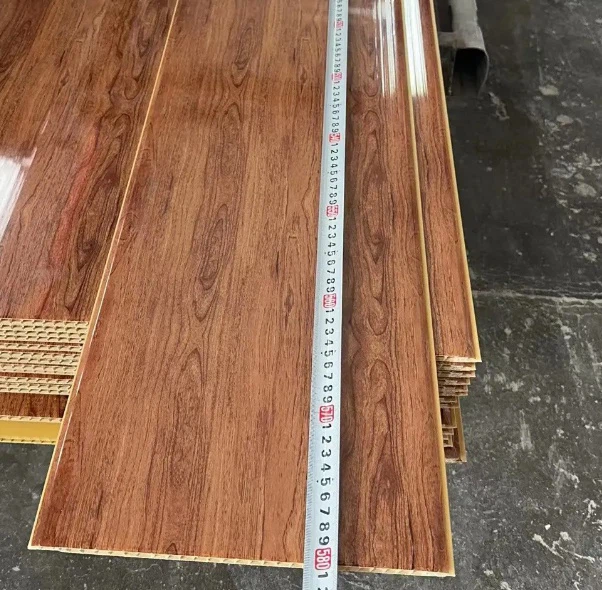

Thickness
The thickness of PVC wall panels also plays a role in their sound absorption capacity. Generally, thicker panels have higher sound absorption coefficients than thinner panels. This is because thicker panels provide more material for the sound waves to interact with, allowing more of the sound energy to be absorbed. However, it is important to note that increasing the thickness of the panels also increases their cost and weight, so a balance needs to be struck between sound absorption performance and practical considerations.
Density
The density of PVC wall panels is another important factor that affects their sound absorption capacity. Higher density panels tend to have better sound absorption properties than lower density panels. This is because denser panels have more mass, which allows them to absorb more sound energy. However, like thickness, increasing the density of the panels also increases their cost and weight, so again, a balance needs to be struck.
Surface Texture
The surface texture of PVC wall panels can also influence their sound absorption capacity. Panels with a rough or porous surface tend to have better sound absorption properties than panels with a smooth surface. This is because a rough or porous surface provides more surface area for the sound waves to interact with, allowing more of the sound energy to be absorbed. Some manufacturers use special surface treatments or embossing techniques to create a rough or porous surface on their PVC wall panels, which can improve their sound absorption performance.
Sound Absorption Performance of Our PVC Wall Panels
At our company, we offer a range of PVC wall panels with different sound absorption properties to meet the needs of various applications. Our PVC Wall Panel products are designed to provide a balance between sound absorption performance, cost, and aesthetics.
We use advanced manufacturing techniques and high-quality materials to ensure that our panels have excellent sound absorption properties. Our panels are available in a variety of thicknesses, densities, and surface textures, allowing customers to choose the option that best suits their specific requirements.
In addition to our PVC wall panels, we also offer PVC Ceiling Panel products that can be used in conjunction with our wall panels to further enhance the acoustic performance of a space. Our ceiling panels are designed to provide similar sound absorption properties as our wall panels, and they can be installed in a variety of ceiling systems.
Applications of PVC Wall Panels for Sound Absorption
PVC wall panels with good sound absorption properties are suitable for a wide range of applications, including commercial buildings, residential homes, and industrial facilities.
Commercial Buildings
In commercial buildings, such as offices, restaurants, and hotels, PVC wall panels can be used to reduce noise levels and improve the acoustic environment. They can be installed in meeting rooms, conference halls, and dining areas to create a more comfortable and productive space for employees and customers.
Residential Homes
In residential homes, PVC wall panels can be used to reduce noise transmission between rooms and from the outside. They can be installed in bedrooms, living rooms, and home theaters to create a quieter and more peaceful living environment.
Industrial Facilities
In industrial facilities, such as factories and warehouses, PVC wall panels can be used to reduce noise pollution and protect workers from the harmful effects of excessive noise. They can be installed in machine rooms, production areas, and control rooms to create a safer and more comfortable working environment.
Contact Us for Sound Absorption Solutions
If you are interested in learning more about the sound absorption capacity of our PVC wall panels or would like to discuss your specific requirements, please do not hesitate to contact us. Our team of experts is available to provide you with detailed information and advice on the best sound absorption solutions for your project.
We can help you choose the right PVC wall panels based on your budget, acoustic requirements, and aesthetic preferences. We also offer installation services to ensure that your panels are installed correctly and efficiently.
Investing in high-quality PVC wall panels with good sound absorption properties can significantly improve the acoustic environment of your space, providing a more comfortable and productive experience for everyone. Contact us today to start your journey towards better sound absorption.
References
- Beranek, Leo L. "Acoustics." American Institute of Physics, 1954.
- Kinsler, Lawrence E., et al. "Fundamentals of Acoustics." Wiley, 2000.
- Mechel, Friedrich P. "Absorber Materials and Systems." Springer, 2007.


