


When it comes to interior and exterior decoration, WPC (Wood-Plastic Composite) ceiling panels have gained significant popularity in recent years. As a WPC ceiling panel supplier, I am often asked about the surface finish of these panels. In this blog post, I will delve into the details of the surface finish of WPC ceiling panels, exploring its types, advantages, and how it impacts the overall aesthetics and performance of the panels.
Types of Surface Finishes
1. Smooth Finish
The smooth finish is one of the most common surface treatments for WPC ceiling panels. It offers a clean and modern look that can complement various interior design styles. The smooth surface is achieved through a precise manufacturing process that ensures a uniform and flawless appearance. This finish is easy to clean and maintain, making it a practical choice for both residential and commercial applications. For instance, in a contemporary office space, smooth WPC ceiling panels can create a sleek and professional atmosphere.
The smooth finish also has excellent light reflection properties. This means that it can help to brighten up a room, reducing the need for excessive artificial lighting. Additionally, the smooth surface is less likely to accumulate dust and dirt compared to textured finishes, which further enhances its cleanliness and hygiene.
2. Wood Grain Finish
A wood grain finish is designed to mimic the natural appearance of real wood. It provides the warmth and elegance of wood without the associated maintenance issues. WPC ceiling panels with a wood grain finish can add a touch of nature to any space, whether it's a cozy living room or a rustic restaurant. The wood grain pattern is created using advanced printing technology, which can replicate the fine details and variations found in different types of wood, such as oak, maple, or teak.
One of the main advantages of the wood grain finish is its durability. Unlike real wood, WPC ceiling panels are resistant to moisture, rot, and insect damage. This makes them suitable for use in areas with high humidity, such as bathrooms and kitchens. Moreover, the wood grain finish can be customized to match the specific color and style preferences of the customer, allowing for greater design flexibility.
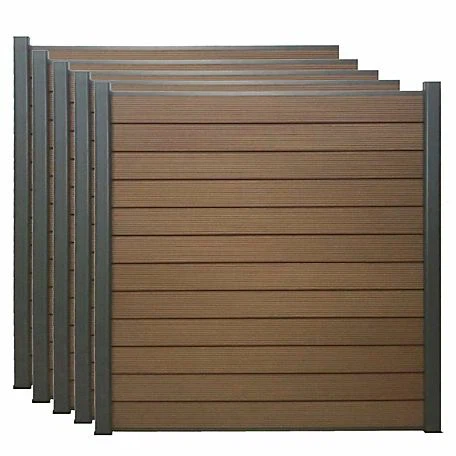
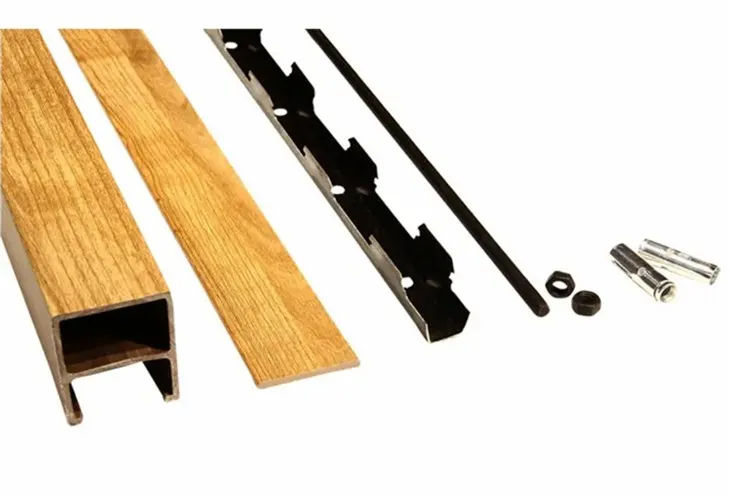
3. Textured Finish
Textured finishes add depth and character to WPC ceiling panels. They can create a more tactile and visually interesting surface, which can enhance the overall aesthetic appeal of a room. There are various types of textured finishes available, such as embossed patterns, brushed finishes, or stone-like textures.
Embossed patterns can mimic the look of natural materials, such as leather or fabric, adding a unique and luxurious touch to the ceiling. Brushed finishes, on the other hand, create a subtle, matte effect that can give the panels a more industrial or contemporary look. Stone-like textures can be used to create a rustic or Mediterranean-inspired atmosphere, perfect for outdoor patios or interior spaces with a natural theme.
Advantages of Different Surface Finishes
1. Aesthetic Appeal
The surface finish of WPC ceiling panels plays a crucial role in determining the overall aesthetic of a space. Whether you prefer a modern, minimalist look or a warm, natural feel, there is a surface finish to suit your taste. The ability to choose from a variety of finishes allows designers and homeowners to create a unique and personalized environment that reflects their style and personality.
For example, a smooth finish can give a room a clean and sophisticated look, while a wood grain finish can add a touch of traditional charm. Textured finishes, on the other hand, can create a more dynamic and engaging space, making them ideal for areas where you want to make a statement.
2. Durability
All surface finishes on WPC ceiling panels are designed to be durable and long-lasting. The smooth finish is resistant to scratches and abrasions, ensuring that the panels maintain their pristine appearance over time. The wood grain finish is protected by a layer of UV-resistant coating, which prevents fading and discoloration caused by sunlight exposure. Textured finishes are also highly durable, as they are less likely to show signs of wear and tear compared to smooth surfaces.
In addition to their resistance to physical damage, WPC ceiling panels are also resistant to moisture, mold, and mildew. This makes them suitable for use in areas with high humidity or moisture levels, such as bathrooms, kitchens, and basements.
3. Maintenance
One of the key advantages of WPC ceiling panels is their low maintenance requirements. The smooth finish can be easily cleaned with a damp cloth and mild detergent, while the wood grain and textured finishes can be vacuumed or dusted regularly to remove any dirt or debris. Unlike real wood, WPC ceiling panels do not require staining, painting, or sealing, which saves time and money in the long run.
Impact of Surface Finish on Performance
1. Sound Absorption
The surface finish of WPC ceiling panels can also have an impact on their sound absorption properties. Textured finishes, in particular, can help to reduce echo and noise in a room by scattering sound waves. This makes them a great choice for areas where noise reduction is important, such as recording studios, classrooms, and offices.
The wood grain finish can also provide some level of sound insulation, as the wood-like texture can absorb and dampen sound vibrations. Smooth finishes, while not as effective at sound absorption as textured finishes, can still contribute to a quieter environment by reflecting sound waves in a more controlled manner.
2. Heat Insulation
WPC ceiling panels with certain surface finishes can also offer some degree of heat insulation. The wood grain finish, for example, can help to keep a room warm in the winter and cool in the summer by providing a layer of insulation between the ceiling and the outside environment. This can result in energy savings and a more comfortable living or working space.
Applications of WPC Ceiling Panels with Different Surface Finishes
1. Residential Applications
In residential settings, WPC ceiling panels can be used in a variety of rooms, including living rooms, bedrooms, kitchens, and bathrooms. The smooth finish is a popular choice for modern and minimalist homes, as it can create a clean and uncluttered look. The wood grain finish is ideal for traditional or rustic homes, as it adds a touch of warmth and natural beauty. Textured finishes can be used to create a more unique and个性化 environment, such as in a children's room or a home theater.
2. Commercial Applications
WPC ceiling panels are also widely used in commercial applications, such as offices, restaurants, hotels, and retail stores. The smooth finish is often preferred in corporate settings, as it conveys a sense of professionalism and sophistication. The wood grain finish can create a more inviting and comfortable atmosphere in restaurants and hotels, while textured finishes can be used to add a touch of creativity and uniqueness to retail spaces.
Conclusion
In conclusion, the surface finish of WPC ceiling panels is an important factor to consider when choosing the right panels for your project. Whether you opt for a smooth finish, a wood grain finish, or a textured finish, each type offers its own unique advantages in terms of aesthetics, durability, maintenance, and performance. As a WPC Ceiling Panel supplier, we offer a wide range of surface finishes to meet the diverse needs and preferences of our customers.
If you are interested in learning more about our WPC ceiling panels or would like to discuss your specific requirements, please feel free to contact us. We are committed to providing high-quality products and excellent customer service, and we look forward to helping you create the perfect ceiling for your space.
In addition to WPC ceiling panels, we also offer Composite WPC Fence and WPC Timber Tubes for your outdoor and indoor decoration needs.
References
- Smith, J. (2020). Wood-Plastic Composite Materials: A Review. Journal of Materials Science, 45(10), 2567-2578.
- Jones, A. (2019). The Impact of Surface Finish on the Performance of Building Materials. Construction and Building Materials, 220, 1160-1167.
- Brown, C. (2018). Designing with WPC Ceiling Panels: A Guide for Architects and Designers. Interior Design Magazine, 32(4), 56-63.


