


Hey there! As a supplier of WPC Ceiling Panels, I often get asked about the environmental benefits of these products. So, I thought I'd sit down and write a blog post to share my insights on this topic.
Let's start by understanding what WPC Ceiling Panels are. WPC stands for Wood - Plastic Composite. These panels are made by combining wood fibers or flour with thermoplastics, along with some additives. The result is a material that has the look and feel of wood but comes with a whole bunch of other advantages.
One of the most significant environmental benefits of using WPC Ceiling Panel is the conservation of natural resources. Traditional wood ceiling panels require a large amount of timber, which means cutting down trees. Trees play a crucial role in our ecosystem. They absorb carbon dioxide, a greenhouse gas that contributes to global warming, and release oxygen. By using WPC Ceiling Panels, we can reduce the demand for virgin wood. The wood fibers used in WPC are often sourced from recycled wood or wood waste, such as sawdust and wood shavings. This way, we're giving a second life to materials that would otherwise end up in landfills.
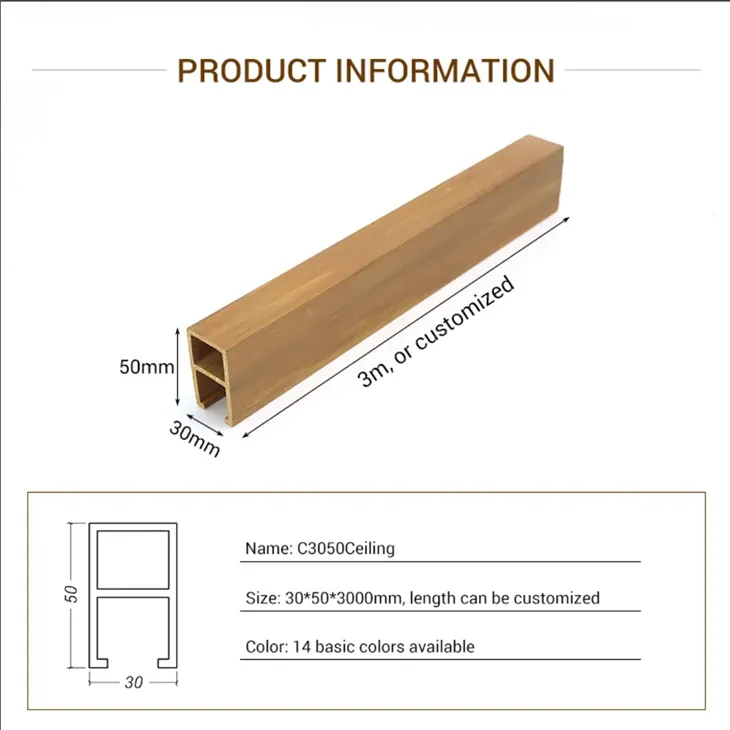

Another great thing about WPC Ceiling Panels is their durability. They are resistant to rot, decay, and insect damage. Unlike real wood, which can be easily affected by these factors and may need to be replaced after a few years, WPC Ceiling Panels can last much longer. This means fewer replacements over time, which in turn reduces the consumption of new materials. Think about it - if you install a traditional wood ceiling, you might have to replace parts of it every 5 - 10 years due to damage. But with WPC, you can enjoy a beautiful ceiling for 20 years or more. This long - term use helps in conserving resources and reducing waste.
In terms of production, the manufacturing process of WPC Ceiling Panels is relatively eco - friendly. Compared to some other building materials, the energy consumption during production is lower. The combination of wood and plastic can be done using less energy - intensive methods. Additionally, many WPC manufacturers are now implementing more sustainable production practices. They are looking for ways to reduce emissions, recycle water used in the production process, and minimize waste generation.
WPC Ceiling Panels also have a lower carbon footprint. As mentioned earlier, the use of recycled wood fibers reduces the need for logging. Logging not only removes carbon - absorbing trees but also involves energy - intensive activities like transportation. Moreover, the plastic component in WPC can sometimes be recycled. When the WPC Ceiling Panels reach the end of their life cycle, they can potentially be recycled into new WPC products or other plastic - based materials. This closed - loop system helps in reducing the overall carbon emissions associated with the product.
Now, let's talk about the maintenance of WPC Ceiling Panels. They are very low - maintenance. You don't need to use harsh chemicals for cleaning. A simple wipe with a damp cloth is usually enough to keep them looking good. In contrast, traditional wood ceilings often require regular staining, painting, or sealing to protect them from the elements. These chemicals can be harmful to the environment as they may contain volatile organic compounds (VOCs) that are released into the air. By choosing WPC Ceiling Panels, you're not only saving time and money on maintenance but also reducing the environmental impact of using these chemicals.
WPC Ceiling Panels are also a great option for improving indoor air quality. Since they don't release harmful chemicals like some paints and finishes used on traditional wood, they contribute to a healthier living environment. This is especially important for people with respiratory problems or allergies.
In addition to WPC Ceiling Panels, our company also offers other WPC products like WPC Timber Tubes and Composite WPC Fence. These products also share many of the same environmental benefits. The WPC Timber Tubes can be used in various construction and decorative applications, and they offer the same durability and resource - conservation advantages as the ceiling panels. The Composite WPC Fence is a great alternative to traditional wooden fences. It's strong, long - lasting, and doesn't require the same level of maintenance as a wooden fence.
So, if you're looking for an environmentally friendly option for your ceiling or other construction needs, WPC products are definitely worth considering. They offer a great balance between aesthetics, functionality, and environmental responsibility.
If you're interested in learning more about our WPC Ceiling Panels, WPC Timber Tubes, or Composite WPC Fence, or if you're ready to start a procurement discussion, don't hesitate to reach out. We're here to answer all your questions and help you find the best solutions for your projects.
References:
- "Wood - Plastic Composites: Materials, Processing, and Products" by Anandjiwala, R. D., & Blazquez, J.
- Research papers on sustainable building materials and their environmental impact from various academic journals.


