


As a supplier of Composite WPC Fence, I often encounter various inquiries from customers, and one question that frequently comes up is whether composite WPC fences can be used in areas with high pollution. In this blog post, I will delve into this topic, exploring the characteristics of composite WPC fences and their performance in polluted environments.
Understanding Composite WPC Fences
Composite WPC (Wood - Plastic Composite) fences are made by combining wood fibers and plastic polymers. This unique combination results in a material that offers the aesthetic appeal of wood with the durability and low - maintenance features of plastic. The wood fibers give the fence a natural look and feel, while the plastic component provides resistance to rot, decay, and insect damage.
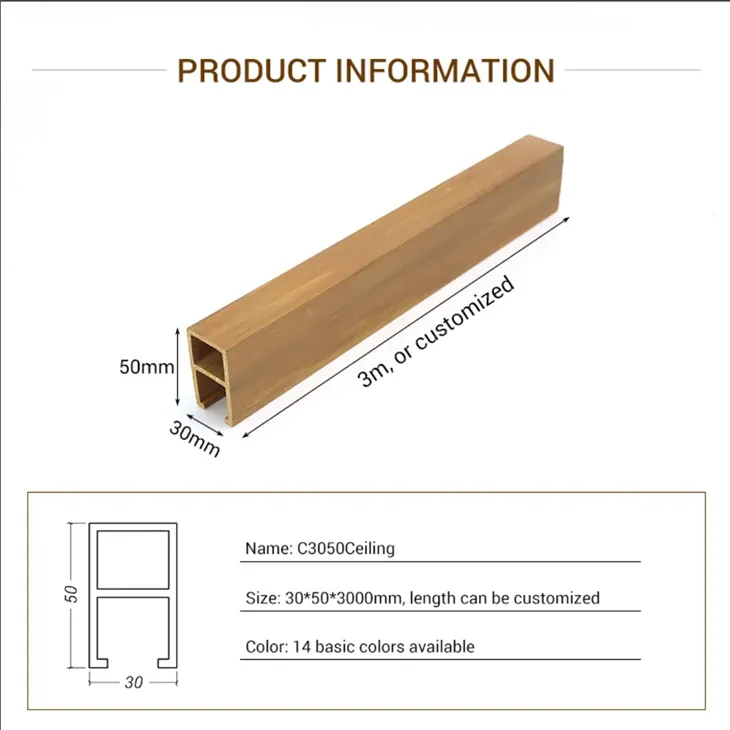

Characteristics of Composite WPC Fences Relevant to Pollution Resistance
- Chemical Resistance: The plastic polymers in composite WPC fences are generally resistant to many common chemicals. This means that in areas where there are chemical pollutants in the air or soil, such as industrial areas with emissions of sulfur dioxide, nitrogen oxides, or areas near waste disposal sites with various chemical leachates, the fence is less likely to be corroded. For example, polypropylene and polyethylene, which are commonly used in WPC production, have good chemical stability and can withstand exposure to mild acids and alkalis.
- Moisture Resistance: High - pollution areas often have complex environmental conditions, and moisture can be a significant factor. Composite WPC fences have excellent moisture resistance. Unlike traditional wooden fences that can absorb water, leading to swelling, warping, and decay, WPC fences repel water. This is crucial in areas with high humidity or where there may be water pollution, as it prevents the growth of mold and mildew, which can be exacerbated by pollutants in the environment.
- UV Resistance: In polluted areas, the atmosphere may contain particulate matter that can scatter and absorb sunlight. However, composite WPC fences are typically formulated with UV stabilizers. These stabilizers protect the fence from the harmful effects of ultraviolet radiation, such as fading and embrittlement. This is important because in areas with high pollution, the sun's rays may be more intense due to atmospheric conditions, and the fence needs to maintain its appearance and structural integrity over time.
Performance in Different High - Pollution Scenarios
- Industrial Areas: Industrial areas are known for their high levels of air pollution, including heavy metals, volatile organic compounds (VOCs), and particulate matter. Composite WPC fences can withstand the harsh conditions in these areas. The chemical resistance of the plastic component protects the fence from damage caused by industrial emissions. Additionally, the smooth surface of the WPC fence makes it easier to clean, allowing for the removal of any pollutants that may settle on its surface. For instance, in a factory - dominated area where there are regular emissions of heavy metals like lead and cadmium, the fence will not absorb these pollutants, reducing the risk of contamination and ensuring its long - term performance.
- Urban Areas with Traffic Pollution: Urban areas with heavy traffic are exposed to pollutants such as carbon monoxide, nitrogen oxides, and particulate matter from vehicle exhausts. Composite WPC fences can be a great choice in these locations. Their UV resistance helps them maintain their color and appearance despite the constant exposure to sunlight and pollutants. Moreover, the low - maintenance nature of WPC fences means that they do not require frequent painting or staining, which can be affected by the polluted environment.
- Coastal Areas with Salt Pollution: Coastal areas often have high levels of salt in the air and soil. Salt can be highly corrosive to many materials, but composite WPC fences are resistant to salt damage. The plastic polymers in the fence prevent the salt from penetrating the material and causing corrosion. This makes them an ideal option for coastal properties where traditional wooden fences would quickly deteriorate due to salt exposure.
Other Considerations
- Installation and Maintenance: Proper installation is crucial for the performance of composite WPC fences in high - pollution areas. The fence should be installed with appropriate fasteners and support structures to ensure its stability. Regular maintenance, such as cleaning the fence with mild soap and water, can help remove any accumulated pollutants and keep the fence looking its best.
- Compatibility with Other Products: As a supplier, I also offer other related products such as WPC Ceiling Panel and WPC Timber Tubes. These products can be used in conjunction with the Composite WPC Fence to create a cohesive and durable outdoor or indoor space. Their similar material properties ensure that they can all withstand the high - pollution environment.
Conclusion
In conclusion, composite WPC fences can indeed be used in areas with high pollution. Their chemical resistance, moisture resistance, UV resistance, and low - maintenance nature make them well - suited for a variety of high - pollution scenarios, including industrial areas, urban areas with traffic pollution, and coastal areas with salt pollution. As a supplier of Composite WPC Fence, I am confident in the quality and performance of our products in these challenging environments.
If you are considering using composite WPC fences in a high - pollution area, I encourage you to contact us for more information and to discuss your specific requirements. We can provide you with detailed product specifications, samples, and pricing to help you make an informed decision. Our team of experts is always ready to assist you in choosing the right fence for your project.
References
- ASTM International. (2023). Standard test methods for evaluating the performance of wood - plastic composites.
- Wood - Plastic Composite Association. (2022). Technical guide to wood - plastic composite materials.


