


Installing PVC wall panels on a textured wall can be a transformative project that not only enhances the aesthetic appeal of your space but also provides practical benefits such as easy maintenance and durability. As a supplier of high - quality PVC Wall Panel, I'm here to guide you through the process step by step.
Why Choose PVC Wall Panels?
Before we dive into the installation process, let's briefly discuss why PVC wall panels are an excellent choice for your walls. PVC, or polyvinyl chloride, is a synthetic plastic polymer that offers several advantages. Firstly, PVC wall panels are highly resistant to moisture, making them ideal for areas prone to humidity such as bathrooms, kitchens, and basements. They are also easy to clean; a simple wipe with a damp cloth can remove dirt and stains. Additionally, PVC panels come in a wide range of designs, colors, and patterns, allowing you to achieve the look you desire, whether it's a modern, traditional, or rustic aesthetic.
Preparing for Installation
Assessing the Wall
The first step in installing PVC wall panels on a textured wall is to assess the condition of the wall. Check for any loose or damaged areas on the texture. If there are large bumps or depressions, you may need to fill them with a suitable filler and sand them down to create a more even surface. However, one of the great things about PVC wall panels is that they can often be installed directly over textured walls without the need for extensive wall preparation.
Measuring the Wall
Accurate measurements are crucial for a successful installation. Measure the height and width of the wall where you plan to install the panels. Make sure to account for any windows, doors, or other openings. Add a few extra inches to your measurements to allow for cutting and fitting.
Gathering Tools and Materials
You'll need the following tools and materials for the installation:
- PVC wall panels
- Measuring tape
- Utility knife
- Jigsaw (for cutting around openings)
- Adhesive suitable for PVC panels
- Caulk gun
- Level
- Screwdriver (if using mechanical fasteners)
- Wall plugs (if using mechanical fasteners)
Installation Process
Step 1: Planning the Layout
Start by deciding how you want to lay out the PVC wall panels. You can choose to install them horizontally or vertically, depending on your personal preference and the look you want to achieve. Mark the starting point on the wall using a pencil and a level. If you're installing the panels horizontally, make sure the first panel is perfectly level.
Step 2: Cutting the Panels
Measure and cut the PVC wall panels to the appropriate size using a utility knife or a jigsaw. For straight cuts, a utility knife is usually sufficient. Score the panel along the cut line several times, then snap it along the scored line. For more complex cuts, such as around windows or doors, use a jigsaw. Make sure to wear safety goggles and gloves when cutting the panels.
Step 3: Applying Adhesive
Apply a generous amount of adhesive to the back of the PVC panel using a caulk gun. Spread the adhesive evenly, leaving a small gap around the edges. The type of adhesive you use will depend on the type of wall and the PVC panels. Some adhesives are designed for direct - to - wall application, while others may require a primer. Follow the manufacturer's instructions carefully.
Step 4: Installing the First Panel
Press the first PVC panel firmly against the wall, starting from the marked starting point. Use a level to ensure the panel is straight. If necessary, use a rubber mallet to gently tap the panel into place. Hold the panel in position for a few minutes to allow the adhesive to bond.
Step 5: Installing Subsequent Panels
Continue installing the remaining panels, aligning them carefully with the previous panel. Make sure the joints between the panels are tight and seamless. Use a utility knife to trim any excess panel material at the edges. If you encounter an opening such as a window or a door, measure and cut the panel to fit around it using a jigsaw.
Step 6: Securing the Panels (Optional)
In some cases, you may want to use mechanical fasteners such as screws and wall plugs to secure the PVC wall panels, especially in areas where there is a lot of movement or vibration. Drill holes through the panel and into the wall, then insert wall plugs and screws. Make sure the screws are flush with the surface of the panel.
Step 7: Finishing Touches
Once all the panels are installed, use a caulk gun to apply a bead of caulk along the edges of the panels and around any openings. This will help to seal the joints and give the installation a professional finish. Wipe away any excess caulk with a damp cloth.
Tips for a Successful Installation
- Work in a well - ventilated area, especially when using adhesives, as they can emit fumes.
- Take your time to ensure accurate measurements and cuts. A small mistake can lead to a noticeable gap or an uneven installation.
- If you're unsure about any part of the installation process, consult the manufacturer's instructions or seek advice from a professional.
- Consider using a primer on the wall before applying the adhesive to improve the bond.
Maintenance of PVC Wall Panels
One of the benefits of PVC wall panels is their low maintenance requirements. To keep your panels looking their best, simply wipe them down with a damp cloth and a mild detergent. Avoid using abrasive cleaners or scrubbers, as they can scratch the surface of the panels. If you notice any stains or marks, you can use a specialized PVC cleaner to remove them.
Using PVC Ceiling Panels in Conjunction
If you're looking to create a cohesive look in your space, you can also consider using PVC Ceiling Panel in conjunction with the wall panels. The installation process for PVC ceiling panels is similar to that of wall panels, but you'll need to take into account the additional challenge of working overhead. Make sure to use a sturdy ladder and have someone assist you if necessary.
Conclusion
Installing PVC wall panels on a textured wall is a relatively straightforward process that can significantly enhance the appearance and functionality of your space. As a supplier of PVC wall panels, we offer a wide range of high - quality products to meet your needs. Whether you're a DIY enthusiast or a professional contractor, our panels are easy to install and come with excellent customer support.
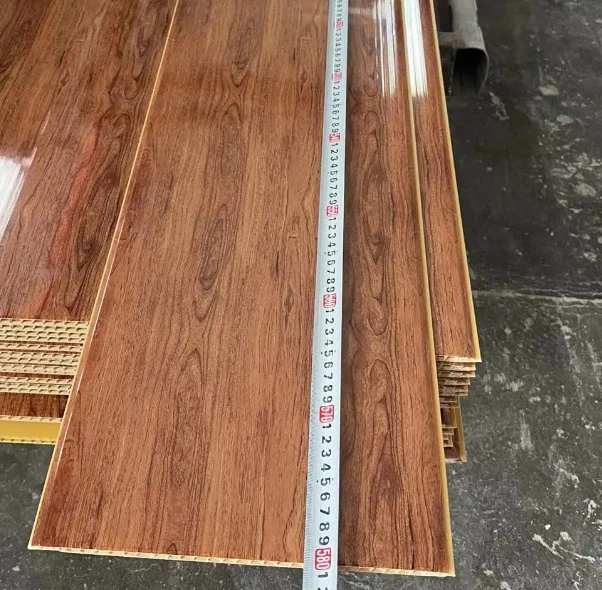

If you're interested in purchasing PVC wall panels or have any questions about the installation process, we'd love to hear from you. Contact us to discuss your project requirements and get a quote. Our team of experts is ready to assist you every step of the way.
References
- "PVC Wall Panel Installation Guide" - Manufacturer's Manual
- "Home Improvement Handbook" - General Home Improvement Resource


