


Installing WPC ceiling panels on a concrete ceiling is a great way to enhance the aesthetic appeal and functionality of any space. As a WPC ceiling panel supplier, I've seen firsthand the transformative power of these panels. In this blog post, I'll guide you through the process of installing WPC ceiling panels on a concrete ceiling, step by step.
1. Understanding WPC Ceiling Panels
WPC, or Wood - Plastic Composite, ceiling panels are a popular choice for modern interiors. They combine the natural look of wood with the durability and low - maintenance features of plastic. These panels are resistant to moisture, rot, and pests, making them suitable for a variety of environments, including bathrooms, kitchens, and outdoor areas.
If you're interested in exploring more of our WPC products, you can check out our [WPC Timber Tubes](/wpc - ceiling - and - timber - and - fence/wpc - timber - tubes.html) and [Composite WPC Fence](/wpc - ceiling - and - timber - and - fence/composite - wpc - fence.html). Of course, our [WPC Ceiling Panel](/wpc - ceiling - and - timber - and - fence/wpc - ceiling - panel.html) is the star of the show for this installation guide.
2. Pre - installation Preparation
2.1 Measure the Ceiling
Before you start the installation, accurately measure the length and width of the concrete ceiling. This will help you determine the number of WPC ceiling panels you need. Make sure to account for any cutouts for lights, vents, or other fixtures.
2.2 Gather Tools and Materials
You'll need the following tools and materials:
- WPC ceiling panels
- Measuring tape
- Utility knife
- Circular saw or jigsaw
- Drill
- Screwdriver
- Construction adhesive
- Screws
- Stud finder
- Safety goggles and gloves
2.3 Inspect the Concrete Ceiling
Check the concrete ceiling for any cracks, unevenness, or debris. Repair any cracks using a concrete patching compound and sand down any rough areas. Clean the ceiling thoroughly to ensure good adhesion.
3. Installing Furring Strips
Furring strips are wooden or metal strips that are attached to the concrete ceiling to create a level surface for the WPC ceiling panels.
3.1 Locate the Ceiling Joists
Use a stud finder to locate the ceiling joists. Mark their positions on the concrete ceiling. Furring strips should be attached perpendicular to the joists for maximum support.
3.2 Cut the Furring Strips
Measure and cut the furring strips to the appropriate length. You can use a circular saw or a jigsaw for this task. Make sure the strips are straight and free of defects.
3.3 Attach the Furring Strips
There are two common methods for attaching furring strips to a concrete ceiling:
- Using Construction Adhesive: Apply a generous amount of construction adhesive to the back of the furring strip. Press the strip firmly against the concrete ceiling, aligning it with the marked joist positions. Use a level to ensure the strip is straight. Secure the strip in place with screws or nails until the adhesive dries.
- Using Masonry Anchors: Drill holes into the concrete ceiling at regular intervals using a masonry drill bit. Insert masonry anchors into the holes. Place the furring strip over the anchors and secure it with screws.
Space the furring strips about 16 to 24 inches apart, depending on the size and weight of the WPC ceiling panels.

4. Preparing the WPC Ceiling Panels
4.1 Unpack and Inspect the Panels
Carefully unpack the WPC ceiling panels and inspect them for any damage. Check for scratches, dents, or warping. If you find any damaged panels, set them aside and contact your supplier for a replacement.
4.2 Cut the Panels to Size
Measure and mark the panels according to the dimensions of the ceiling. Use a circular saw or a jigsaw to cut the panels. Make sure to wear safety goggles and gloves when cutting the panels. If you need to make curved cuts, a jigsaw is the better option.
5. Installing the WPC Ceiling Panels
5.1 Start at a Corner
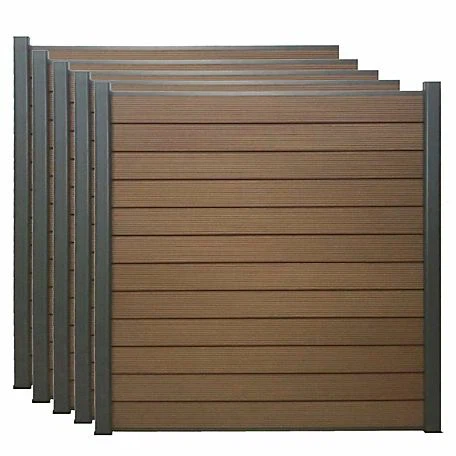
Begin the installation at a corner of the ceiling. Apply a small amount of construction adhesive to the back of the first panel. Place the panel against the furring strips, aligning it with the corner. Use a level to ensure the panel is straight.
5.2 Secure the Panel
Secure the panel to the furring strips using screws. Drive the screws through the pre - drilled holes in the panel and into the furring strips. Space the screws about 6 to 8 inches apart. Make sure not to overtighten the screws, as this can cause the panel to crack.
5.3 Install the Remaining Panels
Continue installing the remaining panels in the same manner. Make sure to align the panels properly and leave a small expansion gap of about 1/8 inch between the panels to allow for expansion and contraction due to temperature and humidity changes.
5.4 Cut and Fit Panels Around Fixtures
When you reach a light fixture, vent, or other ceiling fixture, measure and cut the panel to fit around it. You can use a utility knife or a jigsaw for this task. Make the cuts as accurately as possible to ensure a clean and professional look.
6. Finishing Touches
6.1 Trim the Edges
Once all the panels are installed, use a utility knife or a saw to trim any excess panel material along the edges of the ceiling. This will give the installation a neat and finished appearance.
6.2 Fill the Screw Holes
Use a wood filler or a WPC - compatible filler to fill the screw holes. Sand the filled holes smooth once the filler has dried.
6.3 Clean the Panels
Clean the WPC ceiling panels with a mild soap and water solution. Avoid using abrasive cleaners or scrubbers, as these can damage the surface of the panels.
7. Maintenance Tips
- Regularly dust the WPC ceiling panels with a soft cloth or a feather duster to keep them looking clean.
- If there are stains on the panels, clean them with a mild detergent and a soft sponge. Rinse the panels thoroughly with water and dry them with a clean cloth.
- Check the panels periodically for any signs of damage or loosening. If you notice any issues, repair or replace the affected panels promptly.
Conclusion
Installing WPC ceiling panels on a concrete ceiling is a rewarding DIY project that can significantly enhance the look and feel of your space. With the right tools, materials, and a bit of patience, you can achieve a professional - looking installation.

If you're interested in purchasing WPC ceiling panels for your project, I encourage you to get in touch with us. We offer a wide range of high - quality WPC ceiling panels in various styles, colors, and sizes to meet your specific needs. Whether you're a homeowner, a contractor, or a designer, we're here to help you find the perfect solution for your ceiling installation.
References
- "Composite Materials Handbook" by the American Society for Composites
- "Installation Guide for WPC Products" from industry - recognized WPC manufacturers


